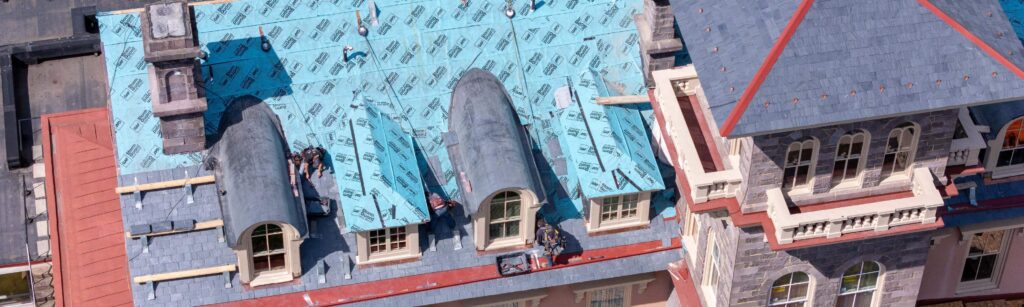
Slate Replacement

Why Central Pennsylvania Property Owners Choose Slate Restoration to Honor the Buildings They Steward

At Weaver Commercial Roofing, we have spent more than 53 years working on historic and institutional properties across Lancaster, Berks, Lebanon, York, Hershey, the Main Line, and Philadelphia. We install and maintain nearly every major (trusted) commercial material and roofing system available on the market. And we have learned something important over five decades: the right roof for a building is the one that fits its structure, its history, and its future.

For most historic sloped buildings, that answer is still slate.
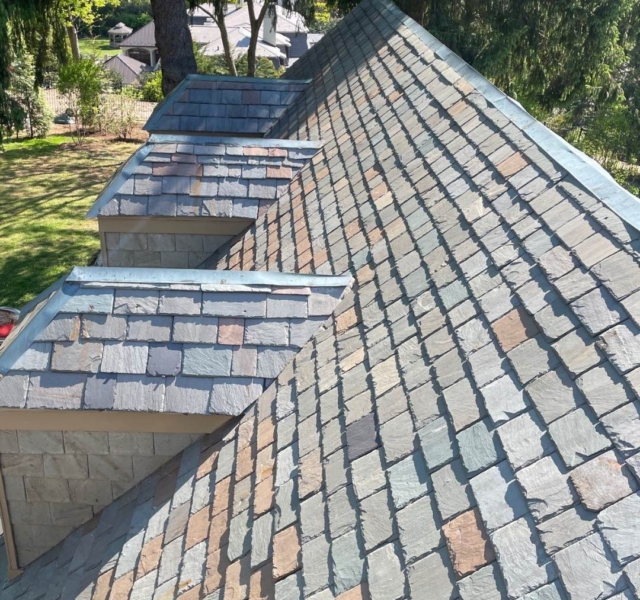
Historic Slate Roof in PA

Slate Was Built to Last.

Here is something that surprises a lot of property owners: the majority of aging slate roofs are not failing because the slate itself has given out. The slate is often fine.

What fails first is usually the flashing, the fasteners, the underlayment, or a handful of cracked or slipped tiles. These are repairable problems. They do not require a complete system replacement, and they certainly do not require abandoning a material that was designed to outlast generations.

Slate that was installed in the late 1800s and early 1900s was quarried from some of the densest, most durable stone available. When properly installed, it was built to outlast the people who put it there. In many cases across Central Pennsylvania, it has done exactly that.

So before writing off a slate roof, it is worth finding out what is actually wrong with it.

A proper roof evaluation requires someone who understands how slate systems are constructed and how they age. At Weaver, this is a detailed report that comes with no charge. We review:

  • The condition of individual tiles, including checking for delamination, breakage, and slippage
  • Flashing integrity at chimneys, valleys, dormers, and penetrations
  • Fastener condition and whether nails have corroded or pulled through
  • Underlayment and deck condition beneath the slate
  • Ridge and hip cap details
  • Drainage patterns and areas of recurring moisture exposure

The goal is to give you an honest understanding of what the roof actually needs. Sometimes that means a full restoration. Sometimes it means targeted repairs that extend the roof another 20 to 30 years. Either way, you deserve accurate information before making a decision that affects the character of your building for decades to come.

Every roofing decision involves trade-offs, and we believe property owners should understand them clearly. When a historic sloped building with original slate comes up for evaluation, the core question is not which modern system is easiest to install. It is which system best serves this specific building over the long term.

Slate on a sloped, architecturally significant structure offers some things that are genuinely difficult to replicate:

Longevity matched to the building itself.

A quality slate restoration can add 50 to 75 years of service life to a roof that is already proven. That kind of lifespan aligns with the way historic buildings are meant to be stewarded, not constantly re-roofed.

Appearance that honors the original design.

Historic buildings were designed with slate as part of their visual identity. The texture, color variation, and character of natural stone contribute to how a building reads from the street and how it fits within its neighborhood or district. Restoring that material keeps the building looking the way its architects intended.

Compatibility with historic preservation requirements.

Many older commercial and institutional properties in Central Pennsylvania fall under local historic preservation guidelines or sit within historic districts. Keeping the original roofing material, or replacing it in kind with new slate, is often the most straightforward path through those review processes.

Fire resistance.

Slate is completely non-combustible, which can be a meaningful factor for certain property types and insurance considerations.

None of this is to say that other roofing systems are the wrong choice across the board. We work with property owners every day on flat and low-slope applications where modern membrane systems are exactly the right answer. The key is matching the system to the building, not defaulting to whatever is fastest or most familiar.

TLC & Maintenance

If your slate roof is in serviceable condition, consistent maintenance is the best investment you can make. Deferred maintenance is almost always more expensive than proactive care, and it is the most common reason good slate roofs end up in trouble.

A sound slate maintenance program includes:

  • Annual or biannual inspections by someone trained in slate systems
  • Prompt replacement of broken or slipped tiles before water infiltrates the system
  • Flashing inspection and resealing at all penetrations and transitions
  • Gutter and drainage maintenance to prevent ice damming and water backup
  • Ridge cap monitoring, as this is often the first area to show wear
  • Documentation of roof condition over time to track changes and plan ahead

Many of the emergency roof calls we receive could have been avoided with a modest annual investment in inspection and minor repairs. A slate roof that is checked regularly and cared for promptly will almost always outperform one that is ignored until a problem becomes unavoidable.
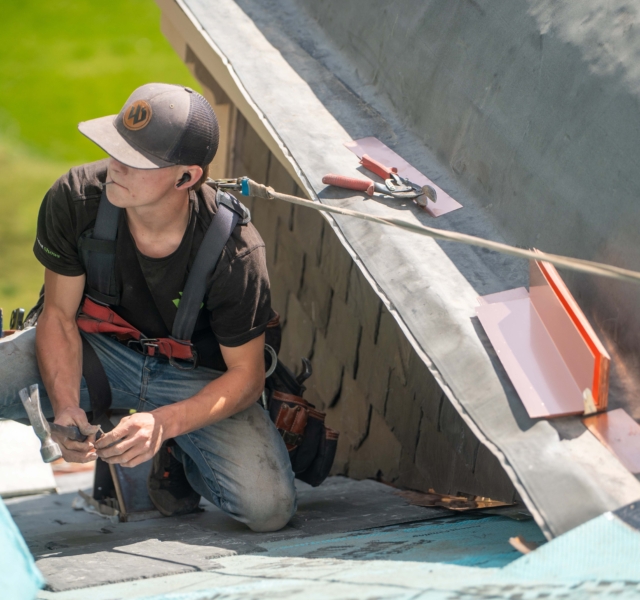

Slate Tile Replacement

Honoring What Was Built

There is a reason the architects and builders of the 1800s and early 1900s chose slate. They were building things meant to last. The churches, courthouses, school buildings, and commercial properties that define the character of Lancaster, York, and communities across Central Pennsylvania were not built to be disposable. They were built to endure.

Restoring a historic slate roof is an act of stewardship. It says that what was built well deserves to keep standing well. It preserves the visual continuity of a building that has been part of a community for generations, and it does so while delivering performance that few systems can match on a sloped, architecturally significant structure.

We have worked on buildings where the original slate was installed before anyone alive today was born. When we complete a restoration on a roof like that, there is something genuinely satisfying about knowing it will likely outlast us too.

Elevate and GAF Roofing Awards

Choosing the Right Contractor Matters More Than the Material

Here’s the truth most articles will not tell you. A roofing system is only as good as the people installing it. Shortcuts may not show up right away, but they always show up eventually and more costly than you’d expect. That’s exactly why we go the extra mile before, during, and after your roofing project is complete. Delivering not only lasting results, but intentional craftsmanship that means little to no disruption to your business and operations in the process.

With Weaver you can expect:

  • Clear communication
  • Reliable timelines
  • Quality and professional workmanship

Serving Central Pennsylvania Businesses for Over 50 Years

Built on Experience. Backed by Care. We do not believe in one-size-fits-all recommendations. Every building is unique, and every client has different priorities. That is why we take the time to understand your property, your business, and your long-term goals.

It is all part of delivering on our promises, listening to our clients needs, and delivering quality work.

Industries we’ve served:

  • Churches & Cathedrals
  • Business offices
  • Schools & Institutional Campuses
  • Senior living communities
  • Restaurants
  • Property management companies
  • Hospitality groups
  • Warehouses and distribution centers
  • Cold storage facilities

If you are evaluating a commercial roof replacement or need guidance around Slate, we are here to help you make a decision you won’t second-guess years down the road.

***

Weaver Commercial Roofing is a GAF Master Elite contractor and Elevate Partner In Quality member, meaning we successfully install and maintain a minimum of 1M square ft of roof while meeting Elevates strict QIR (quality incident rating) standards.
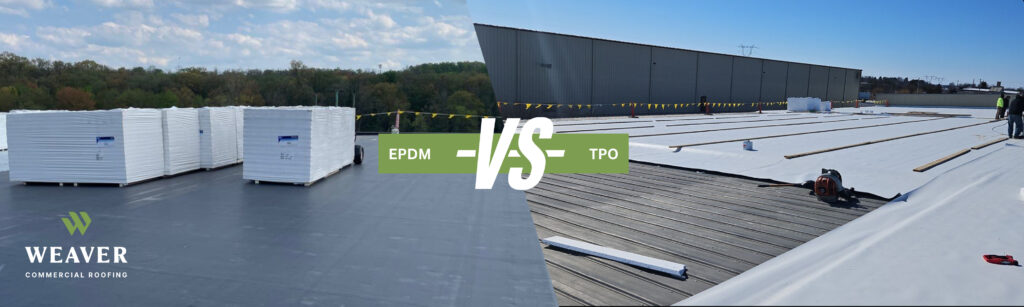
More than materials. Roofing is built on trust, craftsmanship, and promises kept.

At Weaver Commercial Roofing, we’ve spent more than 53 years helping businesses across Lancaster, Berks County, Lebanon County, York, Hershey, the Main Line, and surrounding Central Pennsylvania communities choose roofing systems that last. Our approach is simple: people first, buildings second because the right roof protects more than just a structure.

If you’re comparing TPO vs. EPDM roofing, here’s what you need to know to make a confident, long-term decision.

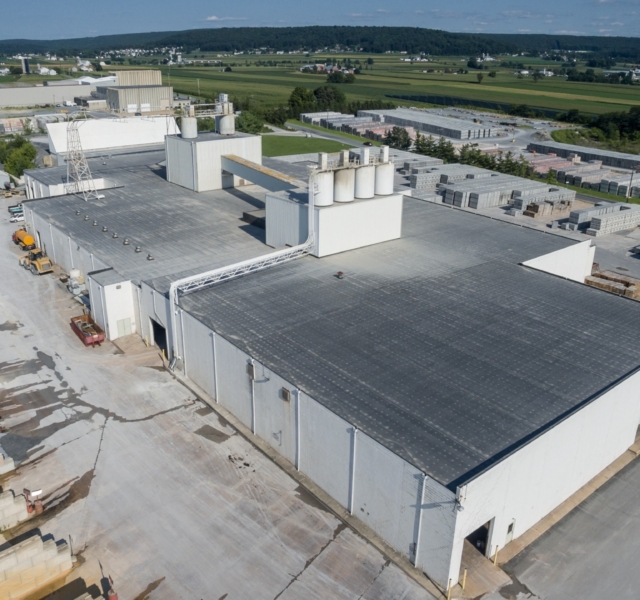
large EPDM roof replacement

What Is Single-Ply Commercial Roofing?

Both TPO and EPDM are classified as single-ply roofing systems, meaning they use a single membrane layer to protect low-slope or flat commercial roofs.

They’re widely used across industries we serve every day, including office buildings, senior living facilities, restaurants, warehouses, hospitality properties, cold storage, and multi-property portfolios. These systems are popular because they balance cost, performance, and installation efficiency.

While they serve the same purpose, they perform very differently depending on your building and environment.

TPO (Thermoplastic Polyolefin) is a newer commercial roofing system that has gained popularity, especially for buildings focused on energy savings.

Why businesses choose TPO roofing:

  • Energy efficiency for warmer months
    TPO membranes are typically white and reflective, helping reduce cooling costs during Pennsylvania’s hot, humid summers.
  • Strong, heat-welded seams
    The seams are fused together with heat, creating a tight bond that helps prevent leaks.
  • Cost-effective installation
    TPO is often a budget-friendly choice upfront, making it attractive for large commercial buildings.
  • Resistance to UV and environmental wear
    It holds up well against sunlight, dirt, and general weather exposure.
  • Where TPO can fall short
    • Long term durability is still evolving compared to older systems
    • Lifespan is generally shorter than EPDM in some applications
    • Performance can vary depending on the manufacturer and installation quality

EPDM (rubber roofing) has been used for decades and remains one of the most reliable commercial roofing systems available.

Why businesses choose EPDM roofing:

  • Long lifespan
    EPDM roofs can last 25 to 30 years or more (with proper maintenance and a 30 year warranty system you can often get well beyond that)
  • Ideal for colder climates
    Its dark surface absorbs heat, which can be beneficial during Pennsylvania winters.
  • Simple repairs and maintenance
    EPDM systems are easier to service over time, helping reduce lifecycle costs.
  • Fewer seams, fewer risks
    Large sheet sizes mean fewer joints and fewer potential leak points.
  • Where TPO can fall short
    • Absorbs heat, which can increase cooling costs in summer
    • Seams rely on adhesives that may require maintenance over time
    • Appearance may not be as clean or reflective as TPO


Rubber Roof Replacement

TPO vs. EPDM: Which is Better for Your Building?

The right choice depends on how your building is used, your long-term goals, and your budget.

Choose TPO if you want:

  • Lower upfront cost
  • Improved energy efficiency in summer
  • A clean, reflective roof surface

Choose EPDM if you want:

  • Maximum lifespan and long-term value
  • Proven performance over decades
  • A system that is easy to maintain and repair

For many of our clients across Pennsylvania the decision comes down to comparing the investment of both systems with how long they plan to hold the property and how critical long-term performance is.


Elevate and GAF Roofing Awards

Choosing the Right Contractor Matters More Than the Material

Here’s the truth most articles will not tell you. A roofing system is only as good as the people installing it. Shortcuts may not show up right away, but they always show up eventually and more costly than you’d expect. That’s exactly why we go the extra mile before, during, and after your roofing project is complete. Delivering not only lasting results, but intentional craftsmanship that means little to no disruption to your business and operations in the process.

TPO or EPDM, with Weaver you can expect:

  • Clear communication
  • Reliable timelines
  • Quality and professional workmanship

Serving Central Pennsylvania Businesses for Over 50 Years

Built on Experience. Backed by Care. We do not believe in one-size-fits-all recommendations. Every building is unique, and every client has different priorities. That is why we take the time to understand your property, your business, and your long-term goals before recommending TPO, EPDM, or another solution.

It is all part of delivering on our promises, listening to our clients needs, and delivering quality work.

Industries we’ve served:

  • Business offices
  • Education
  • Senior living communities
  • Restaurants
  • Property management companies
  • Hospitality groups
  • Warehouses and distribution centers
  • Cold storage facilities

If you are evaluating a commercial roof replacement or need guidance around TPO vs. EPDM, we are here to help you make a decision you won’t second-guess years down the road.

***

Weaver Commercial Roofing is a GAF Master Elite contractor and Elevate Partner In Quality member, meaning we successfully install and maintain a minimum of 1M square ft of roof while meeting Elevates strict QIR (quality incident rating) standards.
The internet is full of some pretty horrifying (albeit entertaining) bloopers in commercial construction.

Elevators that lead to nowhere. New buildings that have to be abandoned due to structural oversights. But these, of course, are the most egregious outcomes. Even more numerous are the everyday setbacks like major project delays, budget overages, vendor conflicts, and the like.

But, you ask, is it possible to avoid these challenges altogether? We believe so, and it comes down to finding collaborative partners and following a well-designed process. These are some of the best practices that can help.

construction documents

Challenge #1: The design comes in over budget.
How to avoid it: Work with your general contractor to “descope” the project.

What’s descoping? It’s the practice of reviewing all aspects of a project to find less expensive ways to achieve the same result. This means evaluating materials, products, services, and labor—anything that impacts the bottom line—in search of more affordable (yet equally effective) alternatives.

In the industry, this practice is also called “value engineering,” because you’re looking for ways to redistribute cost and unlock value. While the term gets a bad rap, since it seems to imply downgrading, the goal is simply to cut back on needless overpayments.

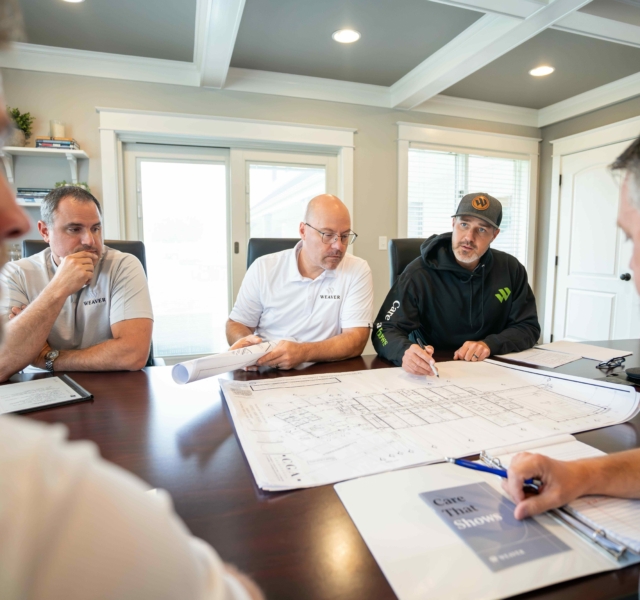
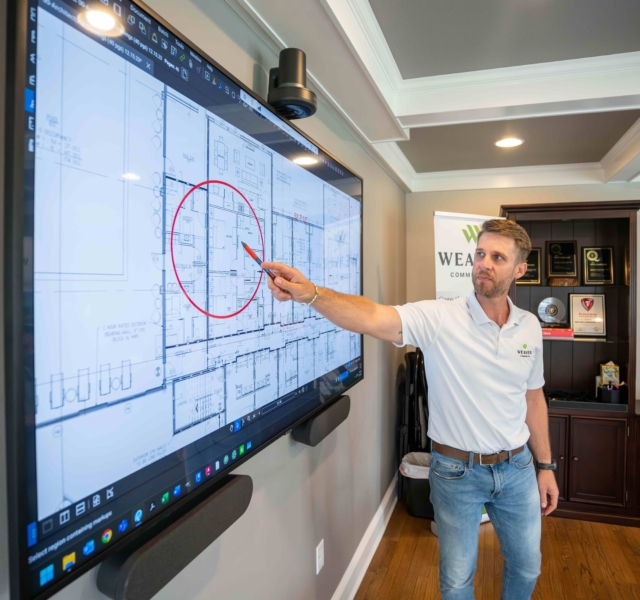
At Weaver, we descope projects by inviting our trade partners—who are all experts in their respective fields—to review plans with us. Everyone offers input on products, materials, and methods that may offer better efficiency, performance, or value. Then, we propose a list of alternatives for the owner, architect, and engineers to evaluate. Ideally, these shifts will not only reduce the cost of the design, but match or exceed the performance of the original specs.

Often, mechanical, electrical, and plumbing subcontractors have the greatest ability to offer alternatives (and these services rarely impact aesthetics). Structural framers, on the other hand, may have a harder time reducing cost without making design changes.

The goal, always, is to honor the integrity of the original design.


Challenge #2: Features of the design can’t feasibly be built.
How to avoid it: Get the right partners around the table, early on and after.

While budget surprises tend to be more common, “constructability” surprises do also happen. These misunderstandings typically hinge on education gaps between project partners. For example, the architect drafts a large span of unbroken space that the structural engineer deems unsound without a support beam.

The best way to avoid these scenarios is to invite the owner, architect, engineers, and contractor to collaborate from the get-go. This practice builds rapport, preempts issues, and brings everyone into alignment. 

The architect shares ideas; the engineers confirm it’s pragmatic; and the contractor ensures everything can be built to your budget.

There’s a caveat: This process only works if the partners themselves are genuinely collaborative. We’ve found ourselves in settings where vendors talk over, or around, each other and don’t seem committed to a common goal. So it’s important to choose project partners who come recommended as much for their openness as their experience.


Construction schedule

Challenge #3: Surprise upcharges.
How to avoid it: Make sure your initial proposal is based on real numbers, not assumptions.

There’s an old (unfortunate) saying in the industry: “We’ll make it up in the change orders.” In other words, builders will low-ball the initial bid to secure the job, knowing they’ll ratchet up costs later on.

We believe it’s far better for everyone to agree on a proposal that truly reflects the outcome the owner wants. So how do you get there?

For starters, you want to make sure the proposal is based on actual numbers related to your project—not simply square footage estimates or pricing from a previous job. These figures are rarely accurate and often misleading.

To shore up our own numbers, Weaver follows the descoping process described above. We carefully vet all subcontractors and review their individual proposals. We comb the proposal for missing elements, making sure it’s truly comprehensive, and review any exclusions with the owner (maybe the demo contractor hasn’t included dumpster services, for example).

Yes, change orders do happen, and it’s always wise for owners to build in a margin for contingencies. Yet it’s even more important to trust that your contractor is an accountable middleman: working for your best interest and holding all project partners to a high standard.


Challenge #4: Project delays.
How to avoid it: Make sure planning continues well beyond preconstruction.

Rigorous preconstruction planning is important, but the most successful projects employ continuous planning.

One of the best continuous planning practices is regular trade partner meetings. We’ve found that these work best on a weekly or biweekly basis throughout the entire build. 

During these huddles, with all project managers and subcontractors in the same room, we look at the four common types of delays: weather disruption, supply chain slowdowns, construction conflicts, and scheduling conflicts.

Is there weather in the forecast the roofers will need to work around? What are suitable alternatives to products on backorder? Are there pipes being installed in the way of electrical paths? How can we best coordinate subcontractor work to stay on schedule?

We look for solutions and controllables, and our project managers share a two- and four-week look at the schedule. Then, we follow up with an “OAC” meeting with the owner, architect, and contractor to review the takeaways.


Challenge #5: A messy job site.
How to avoid it: Make sure your contractor has solid protocol in place and only works with trusted subs.

The job site offers a first impression of what’s to come, and you want it to reflect well on your company.

Your contractor bears the ultimate responsibility for everything that happens on the job site—so you want to be sure they’ve established guidelines for things like staging materials, site signage, daily cleanup, and employee conduct. And that they care enough to implement them.

One of the ways we reinforce these standards at Weaver is through monthly “toolbox talks” with our crew. These morning musters are a time to rally the team (subs included) and get everyone on the same page. We remind folks what we expect of them: to store materials and secure tools, to wear a hard hat and not smoke, to take off muddy boots when entering finished floors, to clean up and close the fence at the end of the day. It’s not worth making assumptions about even the small things.

And just as important is team rapport and reliability. Trust on the job site is huge for us, which is why we develop long-standing relationships with all of our subcontractors. They’re an extension of our team, and we make sure they share the same core values and commitment to character.

***

What challenges did we miss? Does this have you thinking about how to structure an upcoming job? While our practices come from five decades in the field, we’re always refining our process based on client input. Get in touch to share your experience or plans.